Introduction
In the ever-evolving landscape of education and learning, the security and wellness of pupils remain extremely important. As teachers, having a strong understanding of first aid is not just useful; it's important. This short article, Building Teacher Self-confidence in First Aid: Training and Resources, aims to encourage instructors with the expertise and skills necessary to properly reply to emergencies. By diving right into numerous components of emergency treatment training, sources available, and ideal techniques, we will collaborate to foster a culture of security within academic settings.
Building Educator Confidence in Emergency Treatment: Training and Resources
When it comes to giving first aid in instructional environments, self-confidence is crucial. Educators usually locate themselves on the cutting edge throughout emergencies-- be it a play area mishap or a clinical event like an asthma assault. The HLTAID012 Provide Emergency Treatment in Education training course furnishes instructors with important skills varying from basic injury monitoring to more intricate procedures such as kid defibrillation guidance.
Understanding HLTAID012 Qualification Australia
The HLTAID012 qualification is specifically tailored for those working in educational setups. It covers necessary topics like:
- Recognising asthma symptoms Managing minor wounds Choking prevention Epipen administration
This extensive training makes certain that instructors are not only educated yet also confident when confronted with emergencies.
The Significance of Choking Avoidance Techniques
Choking incidents can take place at any moment, especially among little ones that are prone to placing items in their mouths. Understanding efficient choking prevention strategies is vital for instructors. Below are some approaches:
Supervision: Always oversee youngsters throughout meal times. Food Preparation: Cut food right into little pieces that are convenient for young ones. Education: Educate children regarding foods that position choking hazards.By including these methods into everyday regimens, educators can reduce the threat of choking incidents.
Epipen Management Basics
For kids with severe allergic reactions, recognizing exactly how to carry out an epinephrine auto-injector (Epipen) can be life-saving. Trick steps consist of:
Recognising Symptoms: Recognize indications of a sensitive reaction. Immediate Action: Carry out the Epipen as per guidelines. Follow-Up: Seek emergency situation clinical aid immediately after administration.Training on epipen management ought to become part of any comprehensive emergency treatment program for educators.
Managing Minor Wounds Effectively
Minor wounds are common in school settings. Comprehending just how to manage them appropriately can prevent infections and problems. The complying with actions should be taken:
Clean Hands: Exercise correct hand health prior to dealing with any kind of wound. Clean the Wound: Usage soap and water or saline solution. Apply Dressing: Cover the wound with an ideal bandage.
Proper training on managing small wounds helps impart self-confidence amongst instructors when reacting to injuries.
Implementing Correct Hand Hygiene Standards
Hand health is critical in avoiding infections, specifically in child care settings where bacteria spread conveniently. Trick practices include:
- Washing hands with soap and water for at the very least 20 seconds. Using hand sanitizer when soap isn't available. Teaching children concerning hand health with interesting activities.
Creating a society of tidiness not just safeguards pupils but likewise encourages instructors by lowering illness-related absences.
Child Defibrillation Guidance
Training teachers on child defibrillation is crucial as cardiac emergency situations can happen suddenly also among young individuals. Fundamental ideas include:
Understanding when defibrillation is necessary. Learning just how to use an Automated External Defibrillator (AED). Practicing scenarios involving CPR together with AED usage.Equipping personnel with this understanding promotes confidence during high-stress situations, potentially saving lives.
Recognising Asthma Signs in Children
Asthma affects numerous children; hence being able to acknowledge its symptoms early can bring about far better management and fewer emergency situations. Common indications consist of:
- Wheezing Coughing Shortness of breath
Educators learnt recognizing these signs and symptoms can act swiftly, guaranteeing that affected trainees get prompt intervention.
Addressing Play ground Mishaps through Training
Playgrounds are often where fun satisfies accidents-- security procedures should be developed to deal with mishaps efficiently:
Regularly inspect play ground equipment for safety hazards. Train team on exactly how to react swiftly to injuries endured throughout playtime. Implement event reporting methods to guarantee all mishaps are documented properly.By taking these safety measures, educators will really feel more prepared and positive when managing unanticipated situations on the playground.
Childproofing Strategies for Educational Settings
Creating a secure discovering atmosphere starts with childproofing classrooms and usual locations efficiently:
Remove sharp things from obtainable areas. Secure heavy furnishings versus walls. Use non-toxic products for arts and crafts activities.Implementing childproofing methods not only shields trainees yet also eases anxiety among staff regarding prospective hazards.
Incident Reporting Protocols Necessary for Safety
An important part of building teacher self-confidence lies in developing clear incident reporting procedures:
Document every incident precisely using pre-designed forms. Notify parents concerning considerable events immediately. Review reports regularly for potential patterns or reoccuring issues.With defined protocols, personnel https://privatebin.net/?ccd0936fa8a8ebad#46PRqULrD7kuZGFSLJZCyJvJ3MhkG4GTcxBQARpHbXEj feel encouraged understanding they have an organized way to attend to cases responsibly.
Understanding Immediate Reaction Responsibilities
Educators often encounter instant feedback duties throughout medical emergency situations-- recognizing what those require improves their readiness:
- Assess the situation comfortably before acting. Call emergency situation services if called for without delay. Communicate clearly with students concerning what's occurring at their degree of understanding.
Being proactive about immediate feedback obligations increases educator self-confidence dramatically during crises.
Balancing Written vs Practical Elements in Training Programs
When it comes to emergency treatment First Aid Course in Port Macquarie training programs such as HLTAID012 qualification Australia, balancing created expertise with functional application is crucial:
|Element|Importance|| -----------------|------------|| Composed Understanding|Provides foundational understanding|| Practical Abilities|Gears up individuals with hands-on experience|
Striking this equilibrium guarantees that individuals obtain both academic understandings and functional proficiency-- key elements in effective emergency action measures.
Knowing Revival Timelines for Certifications
First aid accreditations usually call for revival every 3 years; nevertheless, knowing specific timelines based on local regulations helps teachers prepare ahead:
Keep track of expiration dates via calendars or reminders. Participate actively in refresher courses provided by institutions or companies concentrating on first aid training. Encourage peers within your institution additionally stay present on certification renewals!Staying updated fosters an atmosphere where everyone prioritizes safety and security just as while boosting educator self-confidence collectively!
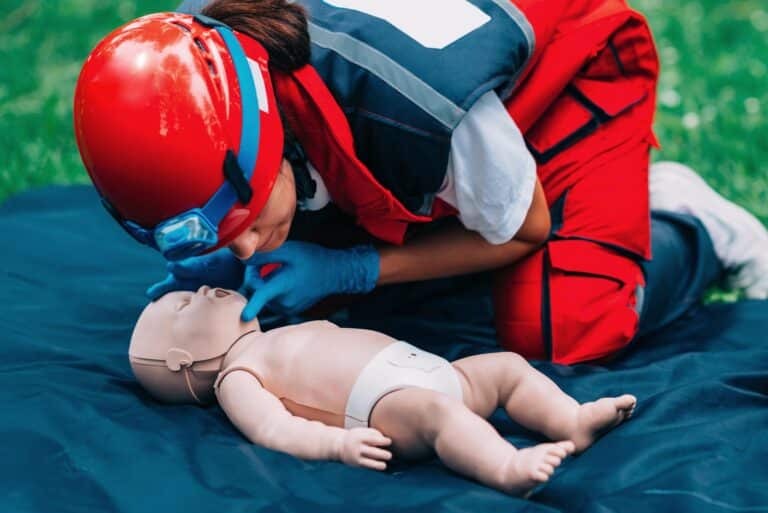
Baby CPR Australia Guidelines
For childcare employees managing infants throughout emergencies like choking or unresponsiveness, comprehending Infant CPR is essential! Key points include:
1) Examine responsiveness carefully tapping shoulder-- "Are you okay?" 2) If there's no action-- call emergency situation services right away! 3) Begin chest compressions at a price around 100/minute followed by rescue breaths every 30 compressions until assistance arrives!
Introducing official training sessions concentrating specifically on baby CPR supplies very useful life-saving abilities while guaranteeing caretakers they're geared up take care of such situations confidently!
Toddler First Aid Fundamentals Australia Overview
Toddlers present distinct challenges requiring tailored strategies towards first-aid preparedness! Vital subjects covered consist of;
-- Acknowledgment & & Administration Childhood Fever-- Identifying Indications & & Symptoms Allergies-- Techniques Dealing With Falls & & Sprains
Tailoring material straight resolving toddler-specific demands guarantees caregivers remain alert giving required assistance whenever required!
Childcare Centre First Aid Kit Australia Requirements
Every childcare facility should maintain certified first-aid packages stocked properly according state guidelines! Fundamentals may consist;
-- Adhesive Bandages (numerous dimensions)-- Gauze Pads & & Tape-- Antibacterial Wipes-- Thermostats
Regularly examining supply within these kits guarantees preparedness should emergency situations emerge leading in the direction of improved instructor self-confidence throughout differing scenarios experienced daily!
First Aid For Youth High Temperature Australia Practices Explained!
Childhood fevers constitute usual events motivating caretakers execute standard treatment techniques successfully! Basic practices entail;
-- Keeping An Eye On Temperature Consistently-- Providing Age Appropriate Medicine (e.g., Paracetamol/Ibuprofen)-- Encouraging Fluid Consumption
Understanding procedures bordering childhood fevers prepares parents/guardians alike browsing prospective worries occurring alongside keeping healthy and balanced atmospheres promoting learning experiences uninterruptedly!
Childcare Safety Hazards Australia Analysis!
Awareness surrounding widespread risks experienced within childcare setups critical securing children's health! Popular classifications incorporate;
- Physical Dangers (e.g., unsafe floorings) Chemical Risks (e.g., cleaning up agents) Emotional Hazards (e.g., harassing)
Conducting routine evaluations determining dangers makes it possible for positive measures take place inevitably growing safe and secure ambiences helpful development expedition pleasure discovering trips undertaken with each other collaboratively!

Frequently Asked Inquiries (FAQs)
Q1: What does HLTAID012 cover?
HLTAID012 covers different facets associated with supplying first aid especially tailored for educational settings such as taking care of small injuries, recognizing asthma signs and symptoms, carrying out epinephrine injections, and extra intricate treatments like kid defibrillation guidance.
Q2: Exactly how often should I renew my first aid certification?
Typically accreditations need renewal every 3 years; nevertheless keeping track certain timelines based neighborhood policies might vary accordingly.
Q3: What should I consist of in my child care centre first-aid kit?
A certified kit should include essentials such as adhesive bandages (different sizes), gauze pads & & tape antibacterial wipes thermostats among things guaranteeing readiness!
Q4: Just how can I recognize bronchial asthma symptoms?
Common indications consist of hissing coughing shortness breath consistent chest tightness calling for quick action facilitate timely intervention!
Q5: What are some efficient choking avoidance techniques?
Effective approaches entail supervision throughout meals cutting food into small pieces showing kids concerning food threats motivating open interaction relating to prospective threats involved!
Q6: What steps do I take if a youngster chokes?
First examine whether they're able breathe coughing speak; otherwise offer back strikes stomach thrusts until assistance shows up guaranteeing keep calm throughout procedure aiding kid regain stability promptly!
Conclusion
In final thought, equipping teachers with extensive knowledge regarding first aid via programs like HLTAID012 provides important devices needed browse emergencies with confidence capably while fostering more secure settings conducive growth expedition enjoyment discovering experiences carried out collaboratively among peers alike! By emphasizing correct training sources carrying out best practices addressing possible concerns proactively we build stronger areas concentrated guaranteeing well-being future generations delegated our treatment eventually improving general top quality education and learning provided continually across board!